Last Updated on February 2, 2026 by Laura Jensen
This case study highlights the importance of group exercise for people who are isolated or lonely – in this instance due to a bereavement. It also covers depression, the mental wellbeing of participants and enhanced social capital.
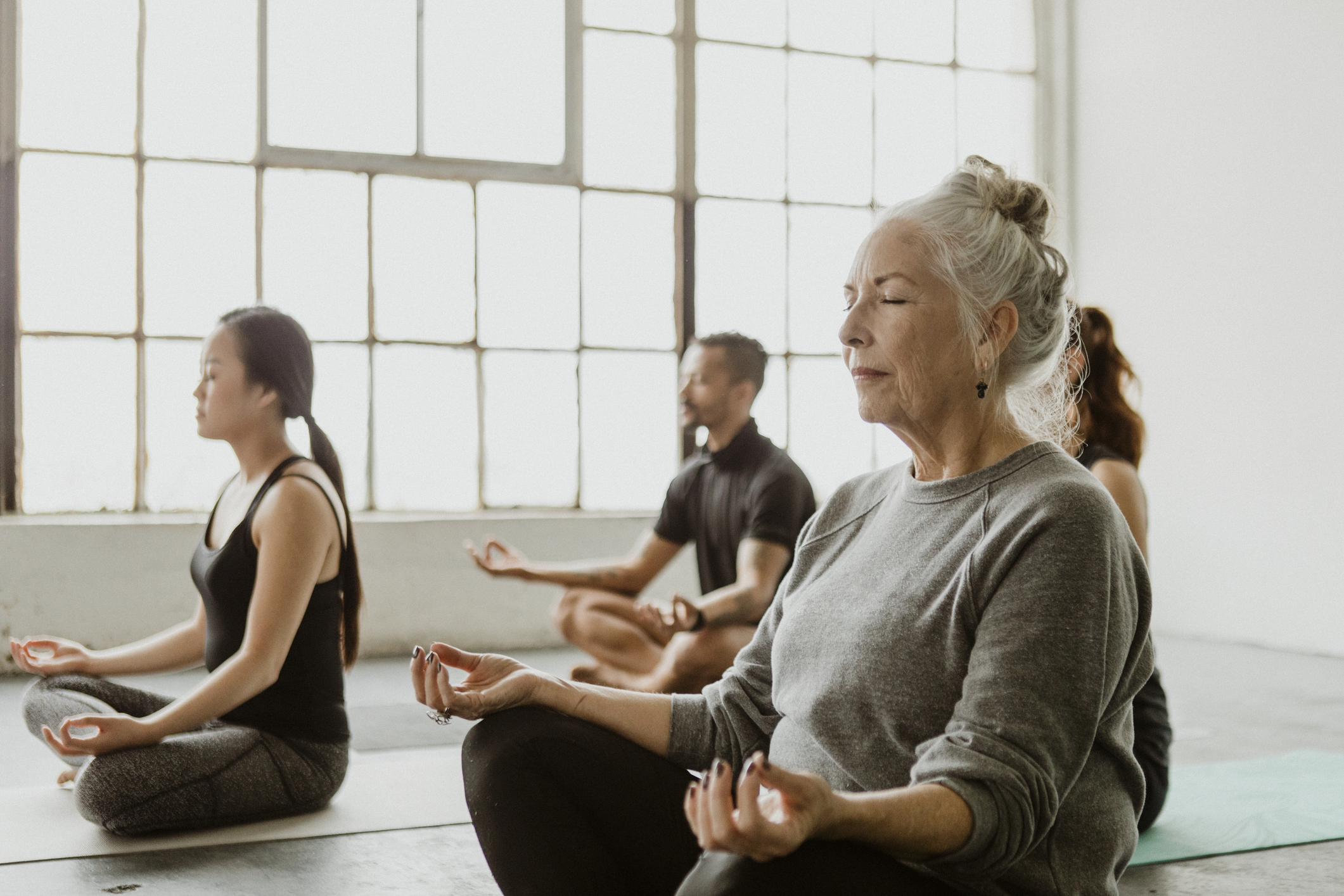
Maureen first joined the gym 20 years ago, just before her retirement at age 65. She initially started to swim and use the fitness equipment but could see classes taking place in the studio while following her gym routine and thought to herself “I really want to give that a go”. Maureen fell in love with group exercise after her first session. She explained that yoga is her favourite class as it helps her to find tranquillity within her day.
Being in a “good head space” is something that Maureen has found challenging over recent years. She sadly lost her husband just prior to the Covid-19 pandemic. The isolation throughout the lockdowns was particularly hard for Maureen who tried to continue her yoga practice by watching virtual classes. This “didn’t feel the same” for Maureen who said you “can’t beat exercising as part of a group”.
Maureen opened up during the interview stating that she “struggled a lot post lockdown with grief, depression and illness but through yoga, managed to feel so much better mentally”. She explained that living on her own makes her feel very isolated, but the friendships made through her group exercise classes help to combat this. Maureen claims to have so many friends from the class. “We send each other cards and presents, I never felt I would be able make sure strong friendships at this stage in life”.
Maureen’s yoga sessions are delivered by group exercise instructor Mary. Mary commented on the positive impact that group exercise has had on Maureen.
Maureen is just one in a number of participants that attend Mary’s yoga class who have seen a positive transformation as a result of participating in group exercise. Mary says the key is to work out your own comfort zone and gradually expand that. “Comparing yourself to how you were the day before is better than comparing yourself to others. We are all at different stages in our journey but are all in this together. The women in my class have collectively got more confident and have enhanced their trust both in me when I tell them which exercises they can/should do, and in themselves when it comes to completing said exercise!”
Maureen agreed with this sentiment and said persuading a friend to join her was the way in which she got into doing group exercise. “It is so much easier when you have a friend to go with. My experience is that it is the most important part of my life.”
Maureen finished the interview by explaining how group exercise positively impacts her day-to-day life beyond the time spent in the class. ‘My mood is much better and my sleep is improved. It is strange… you’d think I’d be tired after a class but weirdly, these are the days when I have more energy and can get all my gardening done. To be able to manage my garden at this age is hugely uplifting”.
Mary concurred with Maureen’s statement and commented on the improvements she had seen in Maureen’s balance and strength. “I know from the time she has spent with me that she finds functional tasks easier and is less likely to fall when she goes home. Falls prevention is super important for women of Maureen’s age. Being physically active is key to keeping elderly people out of hospital thus reducing hospital bed occupancy. I am really proud of the progress she has made.”
This is just one of the 10 case studies featured in the EMD UK Social Value of Group Exercise report, exploring the ways in which group exercise can improve the lives of those it supports.
To read the rest of the case studies, and explore the full findings of the report, click the button below.