Last Updated on February 2, 2026 by Laura Jensen
This case study showcases the importance of the instructor workforce and highlights how resourceful they are. It also captures the enthusiasm they have for the sector; volunteering (value in kind); mental wellbeing (of volunteers); the enhanced value of human capital as well as enhanced social capital.
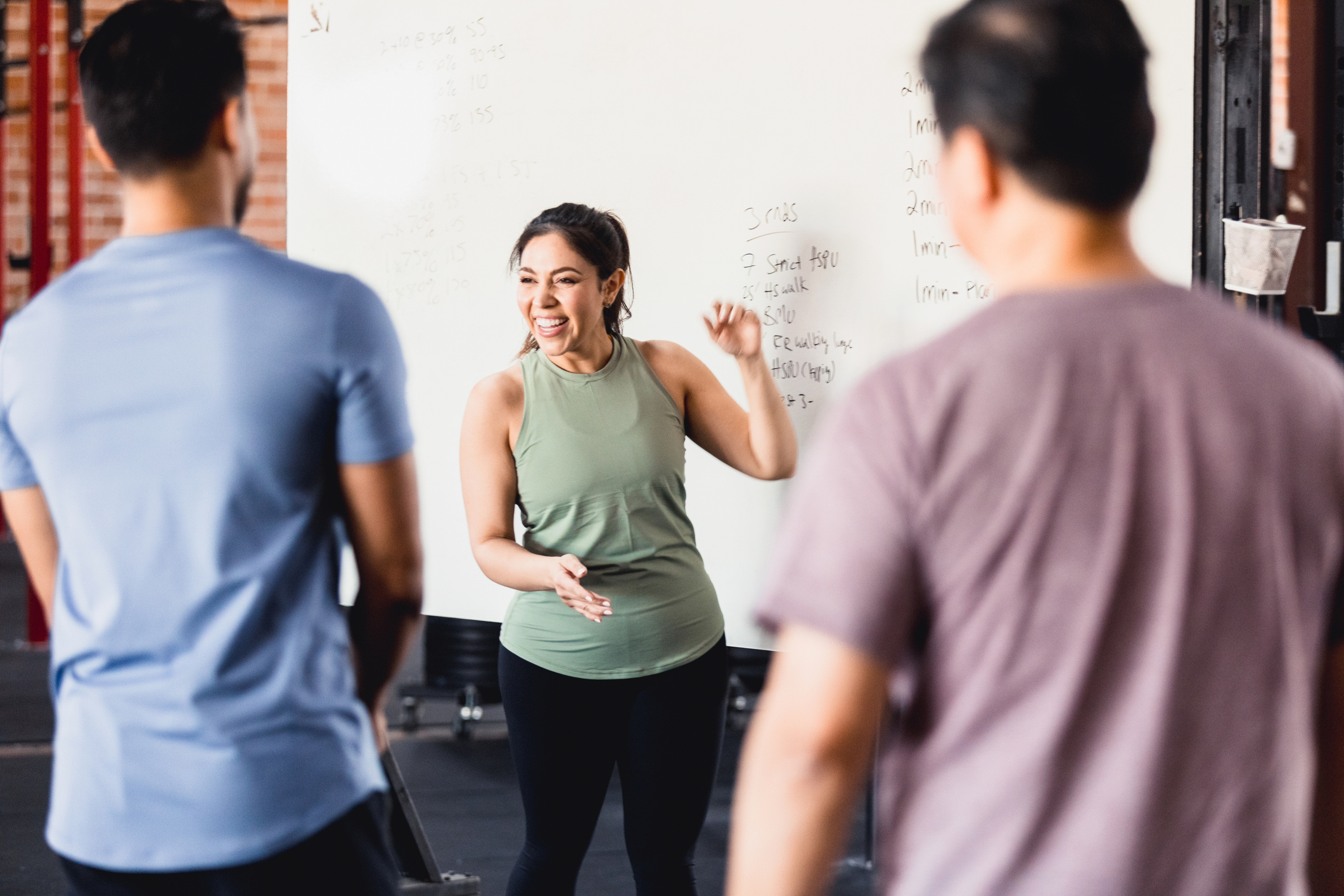
Rachel is a group exercise instructor and training provider, helping both active participants and their instructors alike. She feels privileged to have worked in the sector for 30+ years, turning her passion into her mission.
As a child, Rachel lacked confidence and found school challenging. Her mum helped her to build this confidence by enrolling Rachel in dance classes. Despite having no clear idea of what career path to follow post school, Rachel took the opportunity to work as a group exercise instructor (via a stint in the social care sector) following an offer from a friend to work abroad. In 1996 Rachel returned to the UK as a professional cabaret dancer and felt more expressive, confident and self-assured.
Group exercise presented Rachel with the opportunity to move from instructing to educating in 2006. Rachel runs and accredits educational programmes for her businesses – iMoveFreely – a form of group exercise that helps prepare the body for movement, builds functional strength and is best deployed pre/post injury rehabilitation to allow individuals to return to the activities they love in a meaningful capacity. The programme is mainly delivered to group exercise instructors and teaches them how to improve movement quality. Rachel has taught thousands of instructors over the years, enhancing their knowledge and enabling them to provide new and varied class offerings to participants.
Rachel spoke about a previous project where she trained 14 GP referral practitioners in Norfolk to deliver the iMoveFreely programme.
The lockdowns during Covid-19 could have proved devastating for the group exercise sector, with the group aspect of training effectively outlawed for a number of months. Group exercise instructors like Rachel are incredibly resourceful and adapted to online delivery.
Interestingly, Rachel found that online class delivery opened the door to new audiences and facilitated a path for her to get more people active.
“I was asked to deliver sessions to 3000 HSBC bank workers who were having to isolate at home. There was a ripple effect when I moved to virtual delivery. I was in the living room (virtually) with my class participants, and I was able to encourage their husbands and children who were inactive to give group exercise a go! We had to be innovative and use pieces of ‘equipment’ around the house. I had people doing squats as they reached into cupboards or push-ups on walls. It was a crazy time, but we made it work and were still able to maintain a social connection virtually. Even now I still do a lot of group exercise classes online because there is demand from people that don’t have the time or the confidence to attend a group session in person. It’s a new/different audience that I and other instructors continue to serve”.
Rachel has a friend with cerebral palsy who was advised to isolate for longer than the general population during the national lockdowns. Rachel was able to deliver classes to this person remotely which helped them to stay active and mentally strong during a challenging time. Rachel often alters her classes/education programmes depending on the participants.
On the mental health front, Rachel spoke about a time where she was asked to deliver a series of classes on a voluntarily basis to help raise money for the mental health charity Mind. Rachel recalled “I was asked to run a series of sessions at this event in Scotland. There were toddlers and elderly attendees alike. I developed four or five routines so that everyone present on the day could participate. It was such good fun and as well as supporting a mental health charity, it helped to keep my mental heath nice and strong. It reminded me why I love this industry and feel I haven’t worked a single day in the last 30 years!”
Rachel finished the interview by saying:
This is just one of the 10 case studies featured in the EMD UK Social Value of Group Exercise report, exploring the ways in which group exercise can improve the lives of those it supports.
To read the rest of the case studies, and explore the full findings of the report, click the button below.