Last Updated on February 2, 2026 by Laura Jensen
This case study highlights the importance of group exercise for people (in this case men) who are isolated or lonely – in this instance due to a bereavement. It also covers depression, the mental wellbeing of participants, the enhanced value of human capital and enhanced social capital.
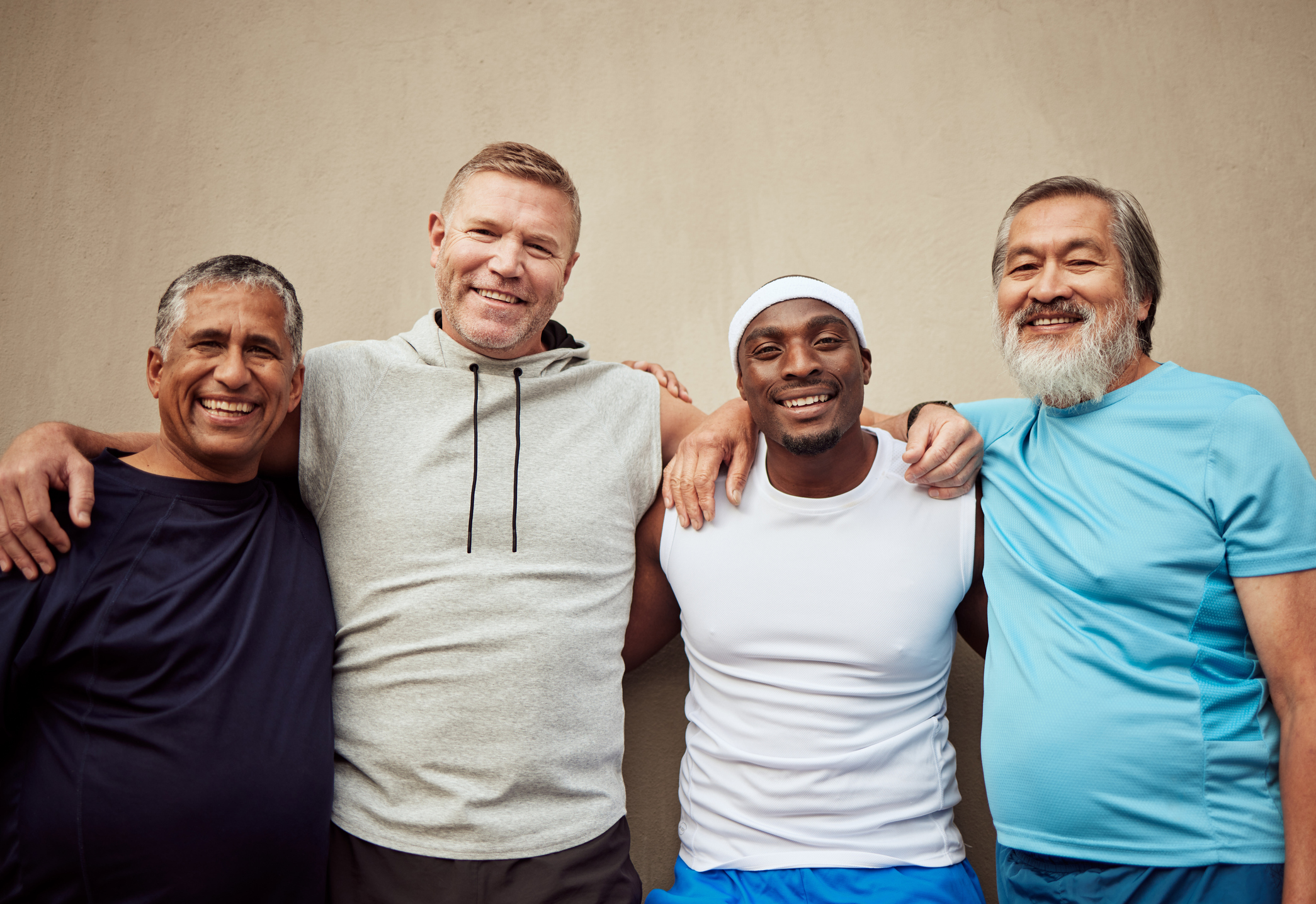
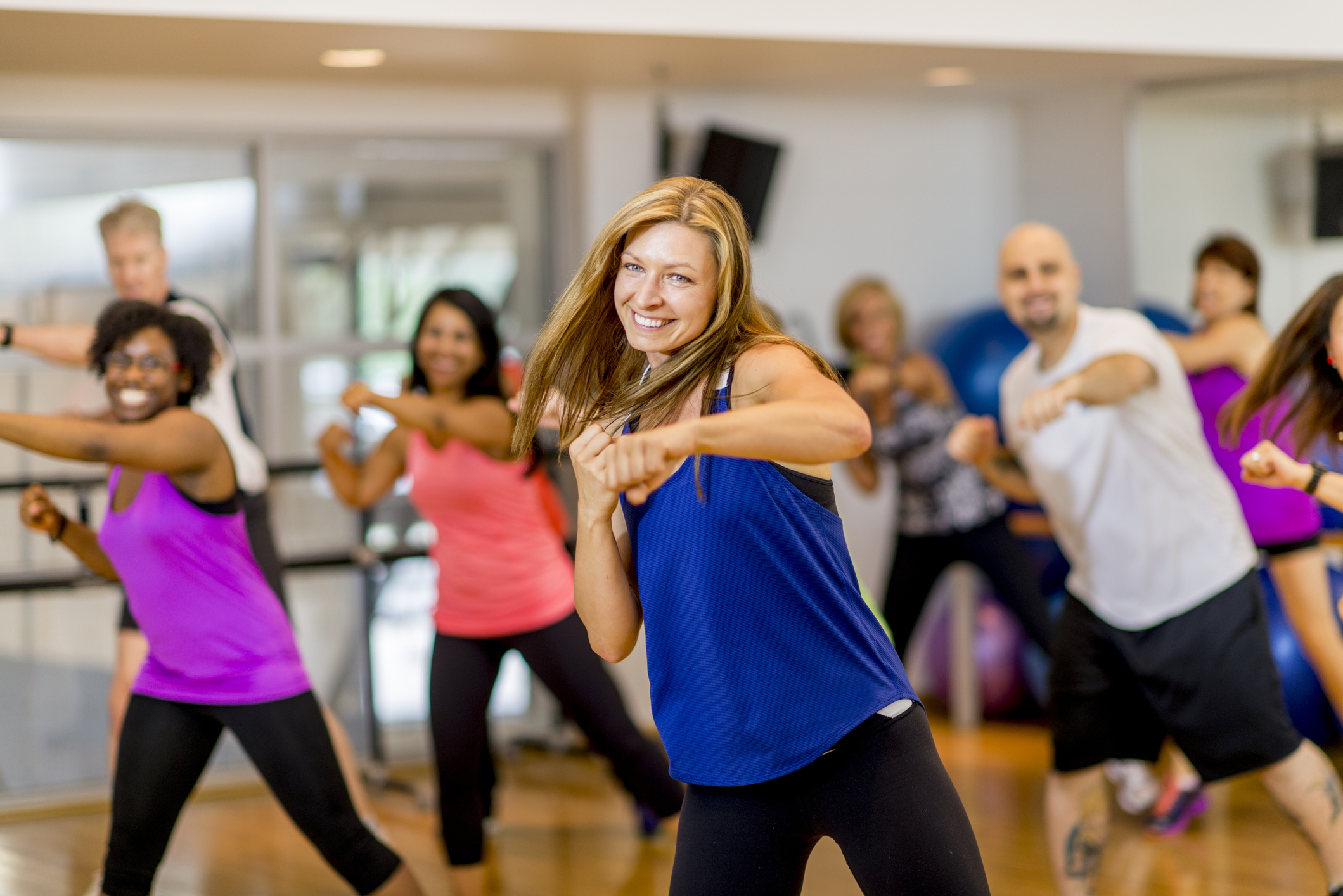
Group exercise is notoriously good at ensuring older adults who would otherwise be inactive have an outlet to maintain both their physical activity levels and social connections. While group exercise tends to over index towards female participation, it provides a fantastic social outlet for men who without it, would find themselves lonely and isolated.
Nicola Kidney and Brad Storey run a ‘Let’s Get Active’ class out of Lords Wood Leisure Centre in Kent which is targeted directly at elderly residents with multiple comorbidities, but older adults generally attend. Most participants were either referred to the class by their GP or came along on the advice of another class member.
Both Nicola and the Centre have experienced challenges in recent years – particularly around funding. The Leisure Centre is run by a charitable trust whose operating costs have increased significantly over the past five years. Nicola works in Public Health at Medway Council and struggles to find locations to deliver the class and instructors to run the sessions. Cost/remuneration is often cited as the main reason.
Despite these challenges, the ‘Let’s Get Active’ class run out of Lords Wood Leisure Centre is very well attended and the participants are vibrant and full of life. Two gentlemen in particular are very grateful for the opportunity to attend the class.
Peter, who is in his mid-70’s, was diagnosed with prostate cancer in 2012 and had radiotherapy. This wasn’t the first time he had battled cancer. At the age of 25 he overcame testicular cancer. As part of his treatment for his prostate cancer, he was referred to Medway Active and used the leisure facilities to keep as healthy as possible during his radiotherapy and following his surgery.
In 2014, he had a heart attack while using a rowing machine in the gym which required a stent to be fitted. He continued to attend the gym as part of his rehab but wanted “something new” after years of repetitive gym work. In 2021 Peter had bypass surgery and a replacement valve fitted. He then attended a cardiac rehab programme followed by a referral to Medway Active’s referral programme.
Peter has been a regular class participant since 2022 and talked about how the social aspect of the class has been the primary reason why he has kept going. After a lot of significant life setbacks, Peter found it hard to motivate himself to train alone in the gym and attributes his transformation to the ‘Let’s Get Active’ class. A few years ago, he considered having hip surgery, but through the adaption of the class by Nicola (who he labelled as being incredibly perceptive), he has been able to reduce his hip pain and no longer feels the need to go under the surgeons’ knife.
He spoke about his biggest life challenge, a challenge that is far greater than the physical battles he has faced throughout his life. Approximately 20 years ago his wife passed away.
Peter spoke about the void losing a loved one creates as there is “nobody to talk to” and explained that this only gets bigger unless you can find groups of likeminded individuals to spend time with.
Peter talked about a time a few years ago when he was doing some tiling in his bathroom and needed to visit the shop to get some more tiles. He said “I got in the car four times to go out and get tiles and each time I couldn’t bring myself to go out. I became a recluse and started to develop anxiety around leaving the house”. Thankfully group exercise has helped Peter to overcome this. His mental wellbeing has improved significantly, and he is less isolated as a result of the class. Peter and his classmates regularly stay for coffee and biscuits after the class and visit the local pubs and cafés.
Reg is one of Peter’s classmates and has also encountered major challenges in his life. Reg’s wife recently passed away after a seven-year battle with Alzheimer’s. Reg was her primary carer. This responsibility coupled with multiple knee surgeries took a tremendous toll on Reg. He was self-employed and lost a significant amount of income during this time. Through group exercise he was able to return to work and earn a living sooner than expected following his knee operations, but this was of “little importance” to him.
More important to Reg than returning to work and earning money was the time he got to spend with his wife and ensuring that he was physically fit enough to take care of her. Just two months before she lost her fight with the disease, Reg, much like his friend Peter, was diagnosed with prostate cancer. This was immensely challenging for him. He underwent targeted radiotherapy and some horrible hormone therapy – claiming that an operation was not offered to him as he was over 70. Thankfully Reg was able to have the treatment and feels that group exercise helped ensure he was fit and strong enough to go through treatment and make it out the other side.
Hormone therapy “wreaks havoc with your mental health” according to Reg.
Reg said he would be “an absolute mess” if he didn’t go to the group exercise classes.
Reg enjoys his classes but is still coming to terms with his wife’s passing. He said the hardest thing in his life was losing his wife “but there is still so much living to do”. He said to himself “balls to it. I am doing as much as I can for as long as I can. I am going to live my life and group exercise helps me to live it.” He paused for a moment to compose himself before saying “there’s no beating around the bush, when you lose your lifelong partner, you are on your Jack Jones. And that hurts. Getting a break from that isolation and loneliness is a real benefit and being active in the process is doubly good.”
Both Reg and Peter agreed that:
This is just one of the 10 case studies featured in the EMD UK Social Value of Group Exercise report, exploring the ways in which group exercise can improve the lives of those it supports.
To read the rest of the case studies, and explore the full findings of the report, click the button below.